Midlife Physician and Menopause Coach
Fortitude is a physician-led women’s health clinic. With fortitude and the right tools, you can re-define what’s possible. Your health, energy and wellbeing are worth investing in- because midlife is just the beginning of your next strongest chapter.
We are passionate about providing women with the knowledge and practical tools to navigate the challenges of midlife. When there is a lot of conflicting advice, we provide you with a personalised roadmap. We work with you to design a plan that is backed by medical science and relevant to your personal goals.
Let’s navigate this journey together.
Founding Clinician
Dr Niamh Gordon is a GP with a specialist interest in Women’s Health. She has helped hundreds of women through the midlife and menopause journey. She is certified by the British Menopause Society to deliver evidence-based menopause care.
Dr Gordon holds a diploma in Obstetrics and Women’s Health from the Royal College of Physicians in Ireland. She is a member of the ICGP. In addition, Dr Gordon has over 20 years experience working in developing healthcare strategy.
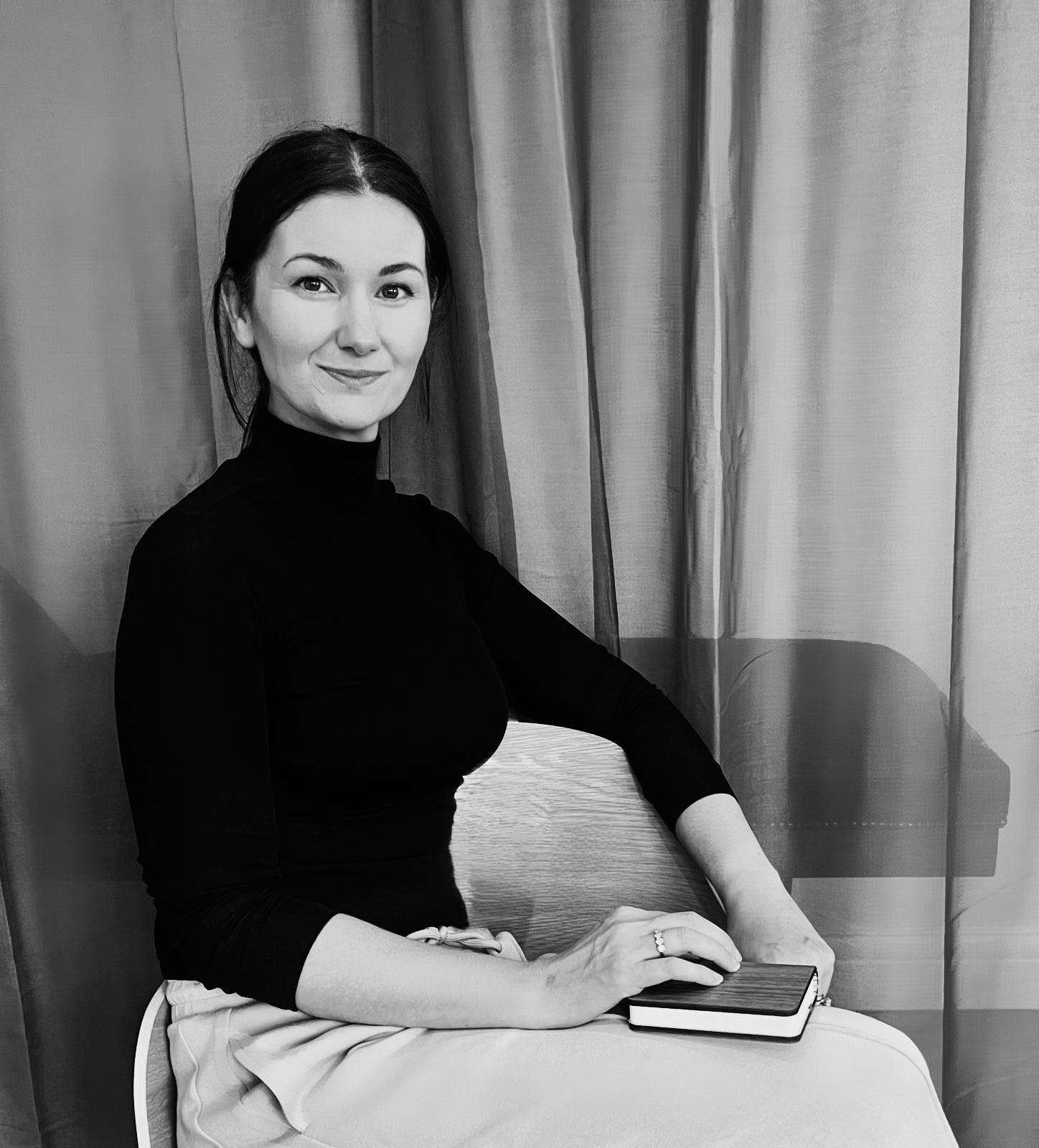
Schedule your consultation with Dr Niamh Gordon and experience how a plan made just for you can make all the difference.
“Fortitude has been life-changing for me. I came in feeling overwhelmed and unsure about the changes happening in my body. Dr Niamh Gordon and her team took the time to truly listen and understand my needs. The personalized care plan they created helped me regain energy, confidence, and clarity. I feel more in tune with myself than I have in years.”
“Fortitude has been life-changing for me. I came in feeling overwhelmed and unsure about the changes happening in my body. Dr Niamh Gordon and her team took the time to truly listen and understand my needs. The personalized care plan they created helped me regain energy, confidence, and clarity. I feel more in tune with myself than I have in years.”
“Fortitude has been life-changing for me. I came in feeling overwhelmed and unsure about the changes happening in my body. Dr Niamh Gordon and her team took the time to truly listen and understand my needs. The personalized care plan they created helped me regain energy, confidence, and clarity. I feel more in tune with myself than I have in years.”
“Fortitude has been life-changing for me. I came in feeling overwhelmed and unsure about the changes happening in my body. Dr Niamh Gordon and her team took the time to truly listen and understand my needs. The personalized care plan they created helped me regain energy, confidence, and clarity. I feel more in tune with myself than I have in years.”
“Fortitude has been life-changing for me. I came in feeling overwhelmed and unsure about the changes happening in my body. Dr Niamh Gordon and her team took the time to truly listen and understand my needs. The personalized care plan they created helped me regain energy, confidence, and clarity. I feel more in tune with myself than I have in years.”
At Fortitude, we acknowledge the unique and often complex challenges that women face in midlife — challenges that are not just physical, but also emotional, psychological, social, and intimate. This is a time of transition that can feel overwhelming, confusing, and isolating. Our passion lies in creating a space where women feel safe, heard, and supported — a space where no concern is too small or too taboo to discuss.
Whether it’s navigating changes in health, identity, relationships, or intimacy, we are here to walk alongside you with compassion, knowledge, and respect. Together, we will explore both medical and holistic options to support your wellbeing, and craft a path forward that is grounded in evidence, tailored to your needs, and rooted in your own power. Fortitude is about more than health — it’s about reclaiming agency, building strength, and helping you move from where you are to where you deserve to be
Midlife brings its share of challenges — but within each one lies an opportunity. It’s a powerful time to reflect on where you are, where you want to be, and how to move forward with purpose. At Fortitude, we start by uncovering the deeper motivation that fuels real, lasting change. We work together to create a purposeful, sustainable plan designed to support long-term health, vitality, and a life lived with intention. This is about more than just managing symptoms — it’s about transformation rooted in clarity, strength, and vision.
What to expect when you start your journey with Fortitude
The Fortitude experience is designed to make you feel truly seen, heard, and welcomed from the very first moment. In a peaceful and supportive environment, we take the time to understand your unique story — where you are now and where you want to go. Through intentional, collaborative work, we’ll develop clear goals and meaningful targets that align with your personal vision of health and vitality. Using a comprehensive approach — including blood work, body measurements, and other key health parameters — we’ll build a clear picture of your current health status. From there, we craft a personalised plan tailored specifically to you.
By the end of your Fortitude journey, you will feel empowered — armed with knowledge, clarity, and the confidence to move forward with strength and purpose.
This involves a comprehensive review of an individual’s health history, a thorough physical examination, and various tests to identify potential or existing health risks. The goal is to prevent or reverse disease processes.
Based on best practices and evidence-based medicine, a tailored plan is developed for each individual. This may include specialist referrals, lifestyle advice, and medication where appropriate and safe.
Ongoing follow-up consultations and testing are crucial
components of effective health management. Regular monitoring ensures the provision of safe and effective care.
Your journey is individual to you, and so a one-size-fits-all approach is limiting. At Fortitude we empower you with tools based on your own personal data, unique symptoms and longer term goals. In order to gain a deep understanding of your current health, we provide a comprehensive range of diagnostics at your initial consultation.
Schedule your appointment today and take the first step towards a healthier future!
*patients required to fast for 12 hours prior to appointment.
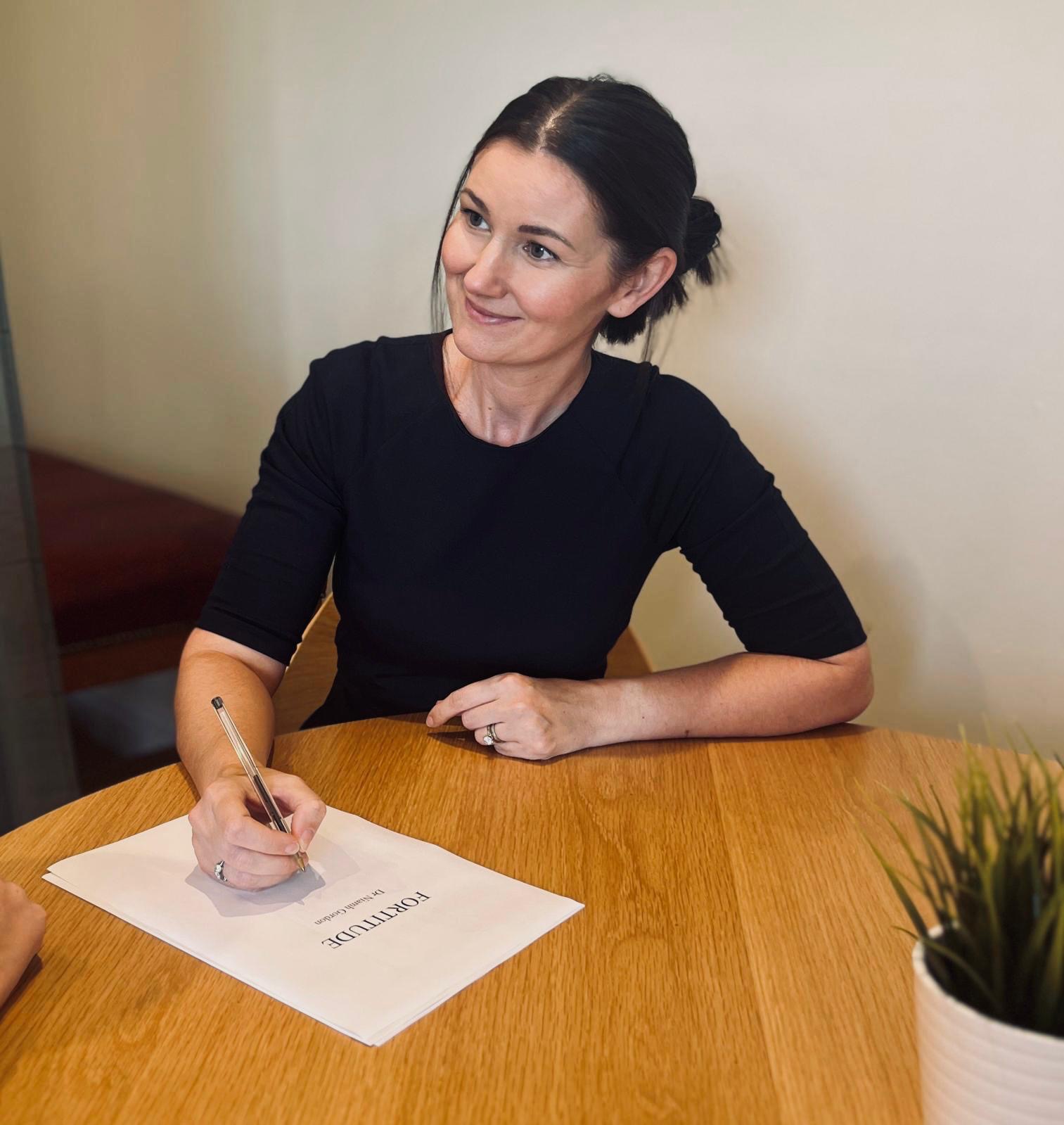
Empowering you with the right tools for health, longevity and vitality.
Initial visit includes:
€695
Follow up visit- a 4 month interval is recommended between visits:
€350
Real Stories: Sarah’s Perimenopause JOURNEY
Meet Sarah
Sarah is 49 and, like many women in midlife, found herself feeling overwhelmed by changes she didn’t fully expect. Her periods had become irregular and eventually stopped. She was waking several times a night drenched in sweat, struggling with low mood and constant fatigue, and feeling increasingly disconnected from her partner due to vaginal discomfort and low libido. On top of that, she was juggling a busy career, teenage children, and caring for elderly parents. She told us, “I just don’t feel like myself anymore.”
What We Did Together:
At Fortitude, Sarah was met with compassion and understanding in a safe, non-judgmental space where she could speak freely about everything she was experiencing—physical symptoms, emotional struggles, even the intimate concerns that are so often kept quiet.
We worked together to:
• Understand what was going on with her body through blood tests and a thorough assessment.
• Explore treatment options, including hormone replacement therapy (HRT), to ease her symptoms and support her overall wellbeing.
• Address sexual health with local oestrogen to help with dryness and discomfort.
• Support her mental health, offering resources for therapy and introducing gentle, manageable lifestyle changes like walking and mindfulness.
• Create a personalised, holistic plan focused on long-term health, energy, and emotional resilience.
How She’s Doing Now:
Three months later, Sarah reported sleeping better, feeling more emotionally balanced, and reconnecting with her partner. She said, “I feel hopeful again. Like I’m back in the driver’s seat.”
You’re Not Alone
If Sarah’s story sounds familiar, know that support is available—and you deserve to feel good in your body and your life. At Fortitude, we see you, we listen, and we walk alongside you to find a way forward that works.
Real Stories: Emma’s Early Perimenopause Experience
Meet Emma:
Emma is 42, a busy professional and mum of two young children. She came to Fortitude feeling anxious, confused, and frustrated. Over the past year, her once-regular cycles had become unpredictable. She was experiencing heavy periods followed by long gaps, sudden mood swings, brain fog, and a sense of feeling emotionally “raw.” She was exhausted, snapping at her kids, and struggling to focus at work. Most confusing of all—she still felt “too young” for this to be menopause-related.
What She Told Us:
“I thought I was just burnt out or losing it. No one told me this could start in your 40s.”
What We Did Together:
At Fortitude, Emma was met with warmth, empathy, and the reassurance that what she was experiencing was real and valid. We explained that peri-menopause—the years leading up to menopause—can start in the early 40s and cause significant hormonal fluctuations long before periods fully stop.
We worked together to:
• Identify her symptoms clearly and confirm they aligned with early peri-menopausal changes.
• Run comprehensive and targeted blood tests to assess overall health.
• Explore treatment options including cycle-tracking, nutrition support, and a trial of hormone therapy to stabilise symptoms.
• Support emotional wellbeing with stress management techniques and a referral for psychological support to address overwhelm and anxiety.
• Develop a lifestyle plan tailored to her stage of life, responsibilities, and energy levels, with small, achievable changes that felt doable—not overwhelming.
How She’s Doing Now:
After three months, Emma reported a noticeable lift in her mood and energy. Her cycles became more manageable, and she felt calmer and more in control. She shared, “I just needed someone to help me connect the dots. Now I don’t feel broken—I feel informed.”
You Deserve Clarity and Care.
If you’re in your 40s and feeling like something’s off—even if you can’t quite name it—you’re not imagining things. At Fortitude, we help you make sense of what’s happening and create a clear, supportive path forward.
Real Stories: Linda’s Life After Menopause
Meet Linda:
Linda is 56 and thought she was “through the worst of it.” Her periods had stopped over five years ago, and she assumed that the menopausal transition was behind her. But lately, she’d been dealing with new and lingering issues: joint aches, frequent urinary tract infections, vaginal dryness and discomfort, disrupted sleep, and a persistent sense of low mood and flatness. She had started to withdraw socially and no longer felt like herself in her own body.
What She Told Us:
“Everyone talks about hot flushes and mood swings, but no one told me how hard this stage could still be. I just thought I had to live with it.”
What We Did Together:
At Fortitude, we provided Linda with a safe and open space to share her story—without shame, without being dismissed, and with total respect for her lived experience. Many women are surprised to learn that postmenopausal symptoms can persist or even emerge years after periods stop. But there are effective ways to support health and vitality, even beyond menopause.
We worked together to:
• Understand her symptoms holistically, including urogenital, musculoskeletal, and emotional concerns.
• Run comprehensive bloods and health checks to assess bone health, inflammation, vitamin D, thyroid function, and cardiovascular risk.
• Introduce local oestrogen therapy to address vaginal dryness and recurrent UTIs, safely and effectively.
• Explore non-hormonal strategies like pelvic floor physiotherapy, targeted supplements, and dietary adjustments to support joint health and energy.
• Address mood and sleep with evidence-based holistic practices and referrals where needed.
• Build a forward-focused wellbeing plan, helping Linda feel not just symptom-free—but strong, active, and in control.
How She’s Doing Now:
Three months into her plan, Linda says she feels “reconnected” to herself. She’s sleeping better, walking daily again, and feeling comfortable and confident in her body. She said, “I thought this was just ageing—but now I know I don’t have to just put up with it. I feel like I’ve got my spark back.”
You’re Not “Past It.” You’re Just Getting Started.
If you’re postmenopausal and still struggling with symptoms—physically, emotionally, or intimately—you are not alone. At Fortitude, we offer care, clarity, and support to help you live this next chapter with strength and joy.
InBody is a medical-grade body composition analyser that provides highly accurate, segmental measurements using multi-frequency bioelectrical impedance analysis, which has been extensively validated against gold-standard methods.
Our InBody scales provide a detailed picture of what’s happening beneath the surface — not just your weight. We measure muscle mass, body fat percentage, visceral fat, water balance, and even segmental muscle distribution.
For women in midlife and menopause, this insight is especially important. Hormonal changes can lead to muscle loss, increased fat storage, and shifts in body composition that affect strength, metabolism, bone health, and cardiovascular risk. The InBody assessment provides personalised feedback to track progress and help you achieve your goals.
What She Told Us:
“Everyone talks about hot flushes and mood swings, but no one told me how hard this stage could still be. I just thought I had to live with it.”
What We Did Together:
At Fortitude, we provided Linda with a safe and open space to share her story—without shame, without being dismissed, and with total respect for her lived experience. Many women are surprised to learn that postmenopausal symptoms can persist or even emerge years after periods stop. But there are effective ways to support health and vitality, even beyond menopause.
We worked together to:
How She’s Doing Now:
Three months into her plan, Linda says she feels “reconnected” to herself. She’s sleeping better, walking daily again, and feeling comfortable and confident in her body. She said, “I thought this was just ageing—but now I know I don’t have to just put up with it. I feel like I’ve got my spark back.”
You’re Not “Past It.” You’re Just Getting Started.
If you’re postmenopausal and still struggling with symptoms—physically, emotionally, or intimately—you are not alone. At Fortitude, we offer care, clarity, and support to help you live this next chapter with strength and joy.
What She Told Us:
“I thought I was just burnt out or losing it. No one told me this could start in your 40s.”
What We Did Together:
At Fortitude, Emma was met with warmth, empathy, and the reassurance that what she was experiencing was real and valid. We explained that peri-menopause—the years leading up to menopause—can start in the early 40s and cause significant hormonal fluctuations long before periods fully stop.
We worked together to:
How She’s Doing Now:
After three months, Emma reported a noticeable lift in her mood and energy. Her cycles became more manageable, and she felt calmer and more in control. She shared, “I just needed someone to help me connect the dots. Now I don’t feel broken—I feel informed.”
You Deserve Clarity and Care.
If you’re in your 40s and feeling like something’s off—even if you can’t quite name it—you’re not imagining things. At Fortitude, we help you make sense of what’s happening and create a clear, supportive path forward.
What We Did Together:
At Fortitude, Sarah was met with compassion and understanding in a safe, non-judgmental space where she could speak freely about everything she was experiencing—physical symptoms, emotional struggles, even the intimate concerns that are so often kept quiet.
We worked together to:
How She’s Doing Now:
Three months later, Sarah reported sleeping better, feeling more emotionally balanced, and reconnecting with her partner. She said, “I feel hopeful again. Like I’m back in the driver’s seat.”
You’re Not Alone
If Sarah’s story sounds familiar, know that support is available—and you deserve to feel good in your body and your life. At Fortitude, we see you, we listen, and we walk alongside you to find a way forward that works.
Cardiovascular health becomes a critical focus for women entering midlife and menopause, as the decline in oestrogen levels is linked to increased risks of hypertension, elevated cholesterol, and atherosclerosis. These hormonal changes can accelerate the onset of heart disease—now the leading cause of death in women. Symptoms of heart issues in women may differ from men and are often under recognised, making routine screening and proactive management essential.
Fortunately, there are effective interventions available. Lifestyle modifications—including heart-healthy diet, regular exercise, and smoking cessation—are foundational. In some cases, pharmacologic therapies such as statins, antihypertensives, or hormone therapy may be appropriate based on individual risk profiles. Early intervention and personalised care can significantly reduce cardiovascular risk and improve long-term health outcomes for women in midlife.
Bone health is a crucial concern for women in midlife, particularly during perimenopause and menopause, when declining oestrogen levels accelerate bone loss and increase the risk of osteoporosis and fractures. Up to 20% of a woman’s bone density can be lost in the first 5–7 years after menopause, making early assessment and prevention essential.
Routine bone density screening (DEXA scan), adequate calcium and vitamin D intake, and weight-bearing exercise are key strategies to maintain bone strength. Lifestyle changes, such as smoking cessation and limiting alcohol, also play an important role. For those at higher risk or with diagnosed bone loss, treatments including bisphosphonates, hormone replacement therapy (HRT), or newer agents like denosumab may be appropriate. We guide women through this transition with proactive screening and individualised care plans to preserve bone health and prevent fractures later in life.
Weight gain is a common concern for women in midlife and during the menopausal transition. Hormonal changes—particularly declining oestrogen—can lead to shifts in fat distribution, often increasing abdominal fat. At the same time, aging is associated with a natural decline in muscle mass and a slower metabolic rate, which can make weight management more challenging. Sleep disturbances, stress, and mood changes common in this life stage can also contribute to increased appetite and less physical activity. While weight gain may feel inevitable, it’s not unmanageable.
A comprehensive approach that includes strength training, aerobic exercise, balanced nutrition, stress management, and adequate sleep can make a significant difference. In some cases, targeted medical therapies or nutrition counselling may be beneficial. The goal is not just weight loss but supporting long-term health, energy, and well-being.
Many women in perimenopause and menopause report difficulty with focus, concentration, and mental clarity—often referred to as “brain fog.” These cognitive changes are linked to fluctuating oestrogen levels, which can influence neurotransmitters involved in attention and memory. Women may find it harder to multitask, recall information quickly, or sustain attention on complex tasks. These changes can be especially frustrating during midlife, a time often filled with professional and personal demands. Sleep disruption, mood changes, and stress can further compound cognitive symptoms. While these issues are typically not signs of dementia, they are real and can significantly impact daily functioning.
Fortunately, several strategies can help, including optimising sleep, managing stress, regular physical activity, cognitive training, and—in some cases—hormonal or non-hormonal treatment. With the right support, women often regain cognitive sharpness and confidence.
Sexual wellness often changes during perimenopause and midlife, influenced by hormonal shifts, aging, stress, and relationship dynamics. Common concerns include decreased libido, vaginal dryness, discomfort during intercourse, and changes in arousal or orgasm. Declining oestrogen levels can lead to thinning of vaginal tissues, reduced lubrication, and increased sensitivity or pain, which can impact intimacy and self-esteem. These changes are common but not something women have to simply accept. Effective strategies include vaginal moisturisers and lubricants, low-dose vaginal oestrogen or other local therapies, pelvic floor physical therapy, and counselling when appropriate.
Addressing emotional and relational factors is also important. With an open, individualised approach, sexual wellness can be preserved and even improved during this life stage, enhancing quality of life and intimate relationships.
Many women in midlife and perimenopause experience changes in mood and cognitive function. Fluctuating levels of oestrogen and progesterone can affect neurotransmitters like serotonin and dopamine, leading to symptoms such as irritability, anxiety, low mood, or mood swings. At the same time, women often report issues with memory, focus, and word-finding—sometimes described as “brain fog.” These changes are usually subtle but can be distressing, especially when they interfere with daily life or professional functioning. Stress, poor sleep, and other midlife responsibilities can further exacerbate symptoms.
Importantly, these changes are not typically signs of early dementia but part of the natural hormonal transition. A variety of treatments can help, including lifestyle strategies, cognitive behavioral therapy, mind-body approaches, and, in some cases, hormonal or non-hormonal medications. With individualised support, most women can see significant improvement.
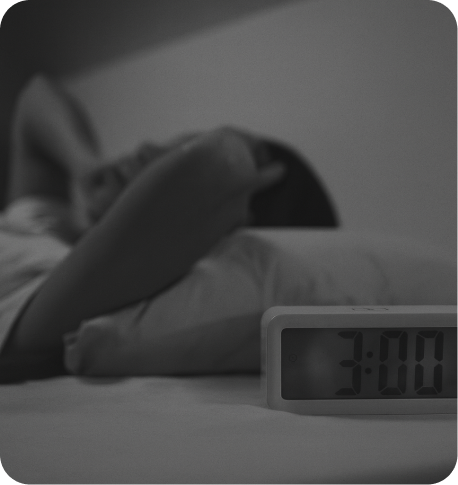
Sleep disturbances are a common concern among women in perimenopause, often beginning in the early stages of hormonal transition. These issues can include difficulty falling asleep, frequent nighttime awakenings, early morning waking, and non-restorative sleep. Hormonal fluctuations—particularly declining oestrogen and progesterone—can disrupt sleep regulation and may also contribute to mood changes and increased anxiety, compounding sleep problems. Additionally, vasomotor symptoms such as night sweats can further interrupt sleep. Sleep disruption during this phase can have a significant impact on physical health, emotional well-being, and daily functioning.
Fortunately, there are a range of effective treatments available, from lifestyle modifications and cognitive behavioral therapy for insomnia (CBT-I) to non-hormonal and hormonal options tailored to individual needs. A thorough assessment of contributing factors is essential to developing a personalised, effective management plan.
Hot flashes, night flashes, and night sweats are common vasomotor symptoms experienced by women during the menopausal transition, typically in midlife. Hot flashes are sudden sensations of heat, often accompanied by flushing and sweating, usually affecting the upper body. When these occur during sleep, they may be referred to as night flashes or night sweats and can disrupt sleep quality and overall well-being. These symptoms are largely driven by fluctuating oestrogen levels and their impact on the hypothalamic thermoregulatory center. While the severity and frequency vary, they can significantly affect quality of life.
Fortunately, there are many evidence-based options available to manage these symptoms, including lifestyle modifications, non-hormonal therapies, and hormone replacement therapy when appropriate. A personalised approach, considering a woman’s health history and symptom profile, often yields the best outcomes.
Contraception
At Fortitude, we understand that contraception remains an important consideration for women in midlife, perimenopause, and during menopause transition. We offer personalised advice on the most suitable options for your stage of life, including long-acting reversible contraception such as the Mirena® coil. We also discuss how these choices can work alongside hormone replacement therapy (HRT) for seamless, effective care. Our goal is to ensure your contraception is safe, convenient, and aligned with your broader health and lifestyle needs.